

How OpenAI's Image 2.0 upgrade will change the way we create video

It used to be simple to tell what was AI. Even last year, image models could barely spell. You would ask for a diagram and get strange words over a fairly usable image: “bttry,” “wheell,” “engeeen.”
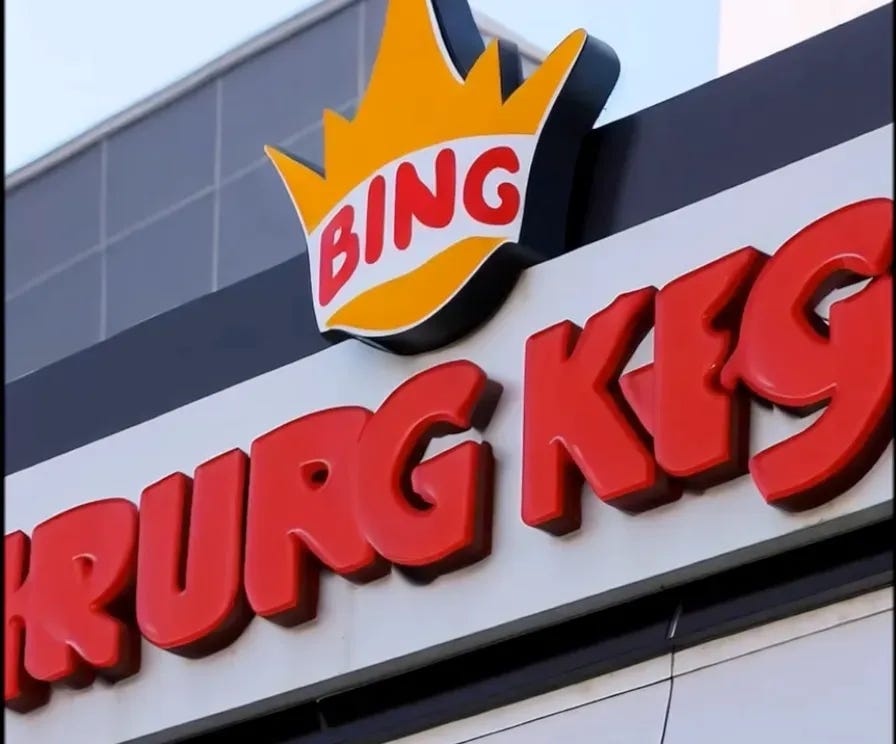
Now that line is gone. The new ChatGPT Images 2.0 can produce an image that looks ready to print. The resulting images are frighteningly good and include fully readable text and headlines.
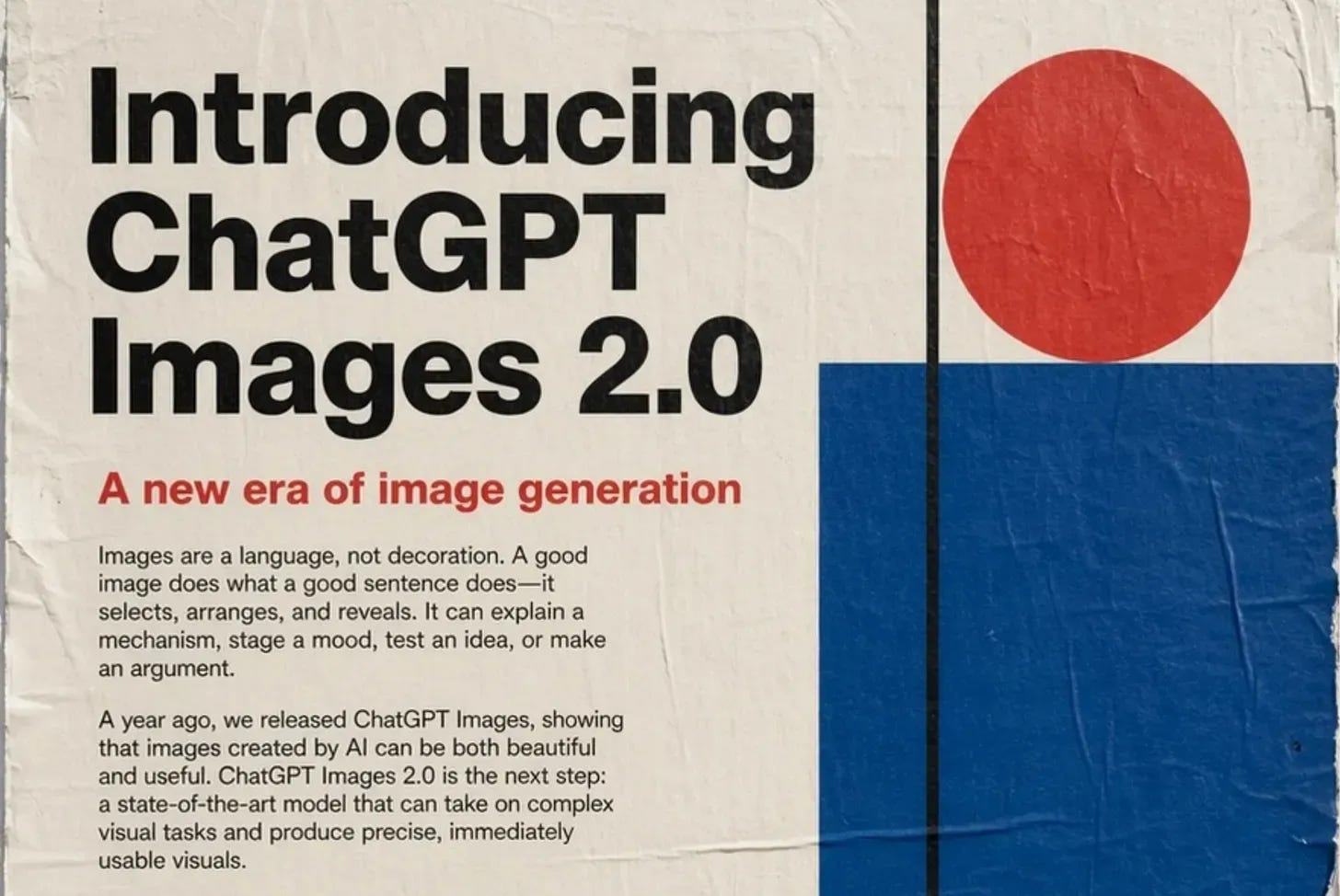
A couple of years back, tools like DALL-E 3 still struggled with text because of how they worked. Diffusion models rebuild images from noise, and they focus on large patterns, not small details. Letters are small, and they are seen as part of the imagery, not as text. Besides, the AI didn’t care about text; it only cared about your prompt, be it a picture of a kitten with a tag that says “SPRT” or a menu for a restaurant that sold “encuiatas.”
Something has changed under the hood. Researchers moved toward models that predict structure step by step, closer to how language models work. OpenAI has not said exactly what is inside Images 2.0, but it appears that the new model lays out text in the same way a designer would. Further, it creates text objects like signs far more precisely.
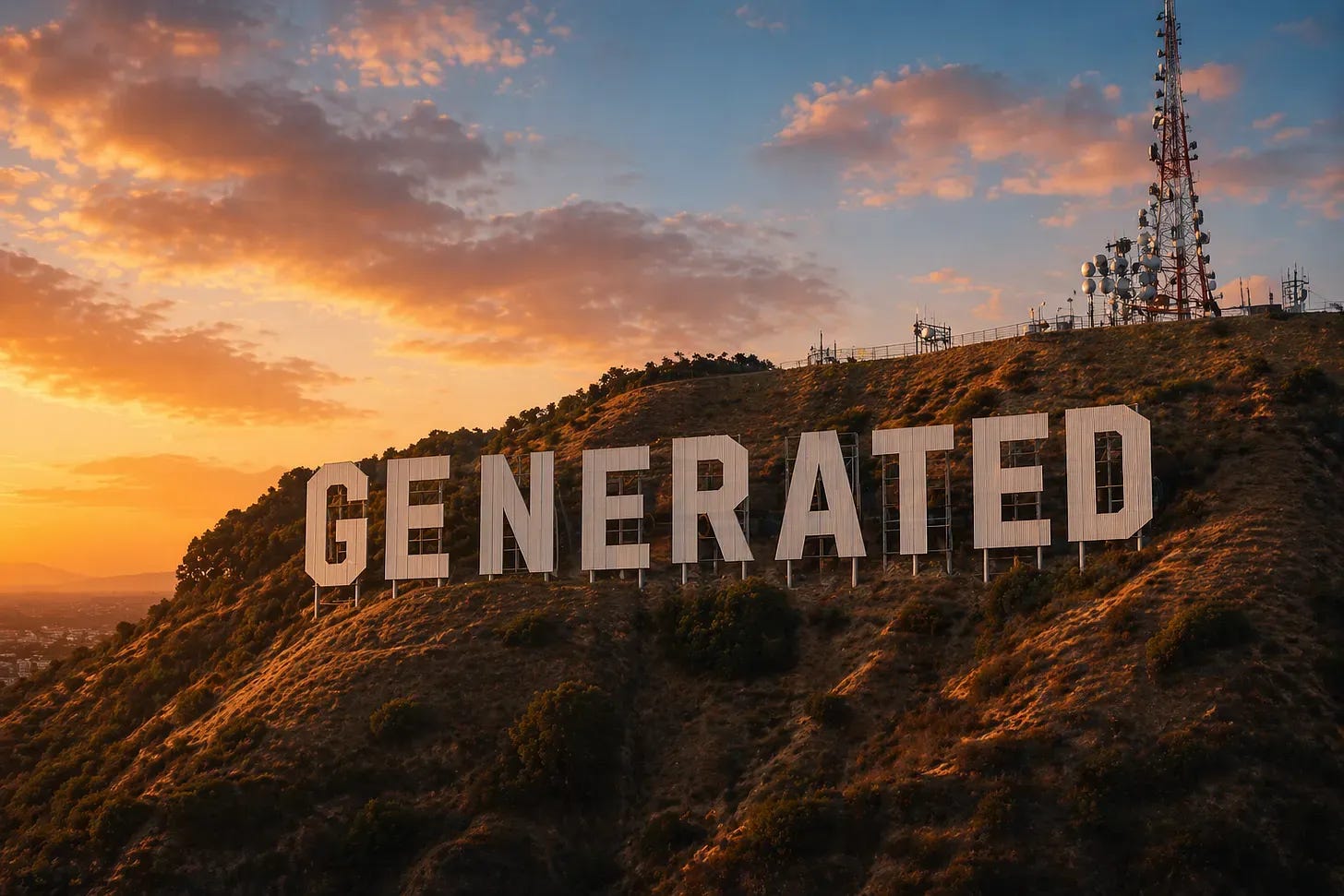
The model also checks itself. It can pull information, generate variations, and keep details consistent across formats. It handles non-Latin scripts better than before. It can build things people actually use, including menus, ads, and comics. None of it is perfect, but it’s better.
Now on to video. How does something like this improve production? You should see it in small ways first. Titles will look where they should, and you can add lower thirds and other TV magic. When onscreen diagrams are actually readable, you reduce the time needed to mess around in After Effects to create swirling arrows or call outs. In short, adding these features speeds things up significantly.
There is a risk here. When everything looks finished, it is harder to tell what is real work and what is stitched together. The barrier is not quality anymore, then. Instead, it’s about taste, timing, and artistic eye. When anyone can make an anime cartoon instantly, what defines something watchable vs. more slop? The answer, quite simply, is a human touch.
So the question is not whether this improves production. It does. The question is what kind of production we want. Faster is not always better. Cheaper is not always better. But easier always spreads. And once it spreads, it is hard to pull back.
This is where things stand. The tools are good enough. The workflow is changing. The people who learn both sides, craft and code, will set the tone for what comes next.